Rat and Mouse Articles
Plain answers about rats and mice in Central Texas homes, from droppings to dead-animal smells.
Call for rodent help (254) 276-0111These articles answer the questions Killeen homeowners and renters ask most about rats and mice. What the noise in the ceiling is, how to tell rat droppings from mouse droppings, which traps work, whether repellents are worth buying, and why rats keep coming back after a treatment.
Health facts come from the CDC and the Texas Department of State Health Services, and each article links its sources.
How to get rid of rats in Killeen
Find where they are getting in, trap the ones inside with snap traps, seal the gaps with metal or cement, and take away food and water. Poison is a last resort.
Roof rats vs Norway rats
Roof rats climb and live high, in attics and trees. Norway rats dig and live low, in burrows, garages and along drainage. The difference decides where traps go and which gaps get sealed first.
Rat vs mouse droppings
Mouse droppings are small, about an eighth to a quarter inch, with pointed ends. Rat droppings are larger, closer to the size of a raisin. Where you find them helps too.
Mice in the walls
Scratching inside a wall at night usually means mice using it as a hallway between where they nest and where they eat. Trap and seal the ends of that hallway; leave the drywall alone.
Rats in the attic
Running and thumping overhead at night is usually roof rats. They reach the roof from trees and fences, get in at the roofline and nest in the insulation. Trap, seal the roofline, then clean up.
Rodents in car engines
Rodents nest in warm, sheltered engine bays and chew wiring and air filters, especially in cars that sit. Fix the garage, not just the car: remove food, seal gaps and trap along the walls.
Rodent noises at night
Light scratching in walls at night is usually mice. Heavy running and thumping overhead is usually rats. Daytime noise in the attic points to squirrels or birds.
Best rat and mouse traps
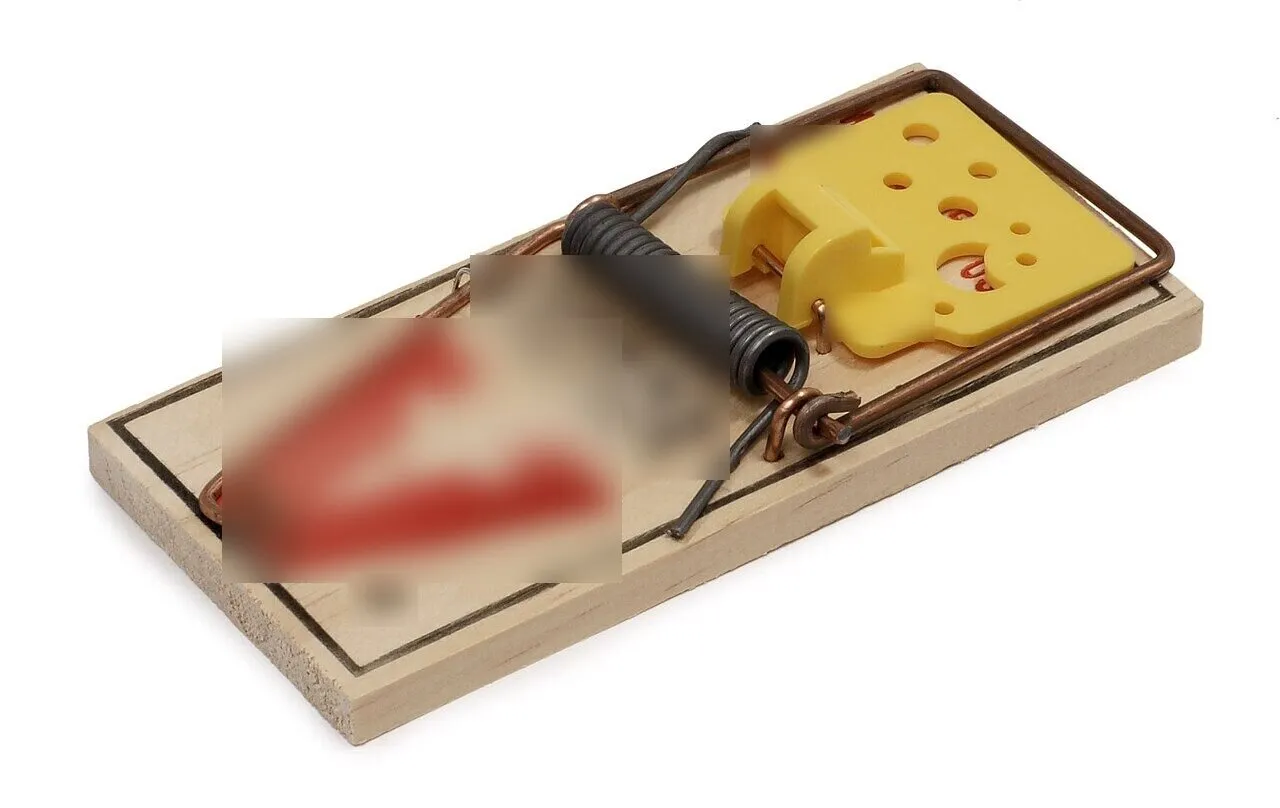
The CDC recommends traditional snap traps and advises against glue and live traps. Size matters, placement matters more, and you need more traps than you think.
Do rodent repellents work?
Repellents do not close a single gap or remove a single rodent. The CDC's approach rests on sealing, trapping and cleaning up. Treat repellents as an extra at most.
Steel wool vs copper mesh
Both stop mice when packed tight and held in with sealant. Steel wool is cheap but rusts outdoors. Copper mesh costs more and holds up in weather. Big holes need hardware cloth, metal or cement.
Dead rodent smell
The smell usually peaks within days and fades over a few weeks, faster in summer heat. Find it by following the strongest point and any flies, remove it with gloves, and clean the spot.
Rodent diseases in Texas
Rats and mice can spread hantavirus, leptospirosis and rat-bite fever, and rat fleas carry murine typhus. Most risk comes from droppings, urine, bites and fleas, and most of it is avoidable.
Why rats come back after an exterminator
Usually because the gaps they used were never sealed, the job was bait-only, the yard still feeds them, or trapping stopped too early. A second job should fix the cause.
PCS move-in rodent checklist
Check under sinks, the garage, closets and the attic hatch on day one. Photograph anything you find, note it on the move-in form and tell the landlord in writing.
Seasonal rodent problems in Killeen
Summer heat pushes rodents toward water and cool spaces, fall cold fronts send mice indoors, and spring storms flood burrows. Construction on the edges of town adds pressure year round.