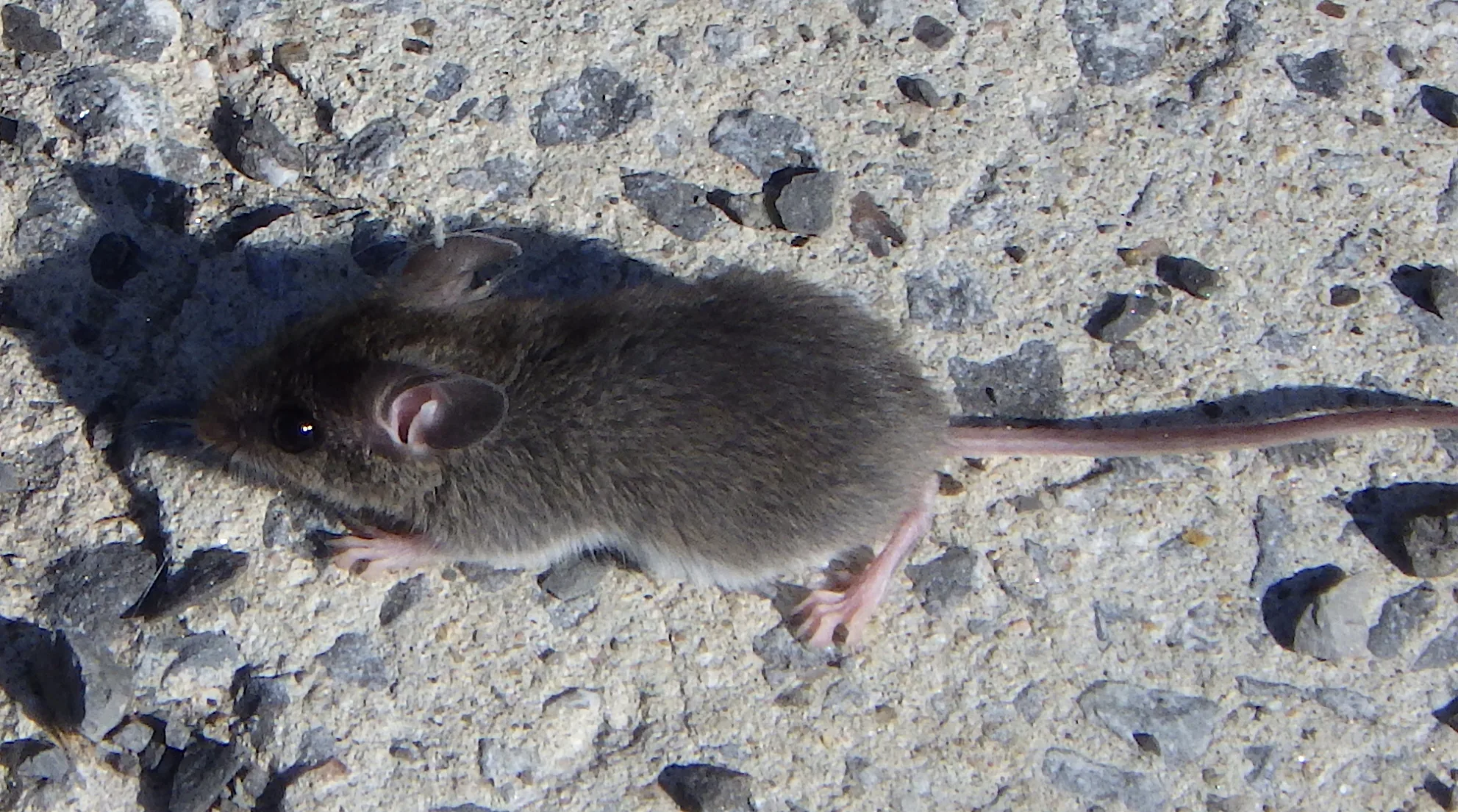
Mice in Walls Removal in Killeen, TX
Scratching inside the wall at night usually means mice traveling between the attic, the garage and the kitchen.
Call about mice in walls removal (254) 276-0111Light scratching and scurrying inside a wall after dark is one of the most common reasons people call about mice. The wall itself is rarely where they live full time. It is the hallway between where they nest, usually the attic, the garage wall or the space under a bathtub, and where they eat, usually the kitchen.
Getting mice out of walls is mostly about finding the ends of that hallway. Here is how it works.
How to tell mice are in the walls
- Scratching or light running sounds inside a wall, mostly at night and early morning
- Droppings where the wall meets the floor, under the sink, or near outlets and plumbing
- A musky smell near one stretch of wall
- Pets staring at or sniffing one spot on the wall
Heavier thumping is more likely a rat. Daytime noise in late spring can be birds in a vent or squirrels in the attic. Our article on rodent noises at night helps sort those out.
What a thorough job includes
- Finding where the wall opens to the attic, garage or under the house. Top plates, plumbing chases and the gap behind a dishwasher are common
- Traps at the ends of the run: in the attic along the top of that wall, behind kitchen appliances and under sinks
- Sealing the gaps where pipes and wires enter the wall cavity from below the sink or behind the stove
- Closing the outside entry, which is often a weep hole, a gap at the AC line or a loose vent
- Checking back until the noise stops and traps stay empty
Opening a wall is rarely needed. Cutting drywall to chase mice usually just moves them along the wall. The exception is a dead mouse that cannot be reached any other way, covered on our dead rodent removal page.
Step by step: getting mice out of a wall
- Note where and when you hear them. Write down which wall and what time.
- The technician checks the attic above that wall and the space below it, plus the kitchen and bathroom plumbing.
- Traps go at the openings mice use to get in and out of the wall.
- The outside entry is found and sealed once the active openings are clear.
- Openings under sinks and behind appliances are packed with steel wool or copper mesh and sealant.
- Follow-up checks continue until the scratching stops.
Why mice in walls are common in Killeen
Most Killeen homes are slab-on-grade with brick or stone veneer, and the space between the veneer and the frame wall is a protected path. Mice enter through a weep hole or a gap at the bottom course, climb inside the wall and come out wherever a pipe or wire hole lets them, often under the kitchen sink or in the attic. The exclusion page covers how weep holes can be screened without blocking drainage.
In older homes north of the expressway and near downtown, pier-and-beam floors leave the bottom of every interior wall open to the crawl space. Mice can enter any wall from below.
New construction on the south side has its own pattern. Mice displaced from fields being cleared for the next phase of houses end up in the walls of the nearest finished homes during the first year.
What you can do now
Store food in hard containers, wipe up crumbs and take trash out at night so the kitchen is less of a draw. Set snap traps under the sink and behind the refrigerator, along the wall with the baited end toward the wall. Do not put poison in the walls; a mouse that dies inside the wall will smell. Read mice in the walls for more.
Mice in walls removal questions
- Will mice in the walls leave on their own?
- Rarely. If they have food and nesting space, they stay. The noise may drop in warm months and pick up again in fall.
- Do I need to cut holes in the wall to get mice out?
- Almost never. Mice use the wall to travel. Trapping where they enter and exit the wall, and sealing those points, works without opening drywall.
- Can I pour something into the wall to kill them?
- No. Poison or sprays in a wall cavity lead to dead mice you cannot reach and a smell that lasts weeks. Traps at the openings are safer.
- Why do I only hear them at night?
- Mice are mostly active after dark. You also notice the sound more when the house is quiet.
- Could it be a rat instead?
- Rats are louder and heavier, with more thumping than scratching, and they leave larger droppings. If you are not sure, an inspection will tell.