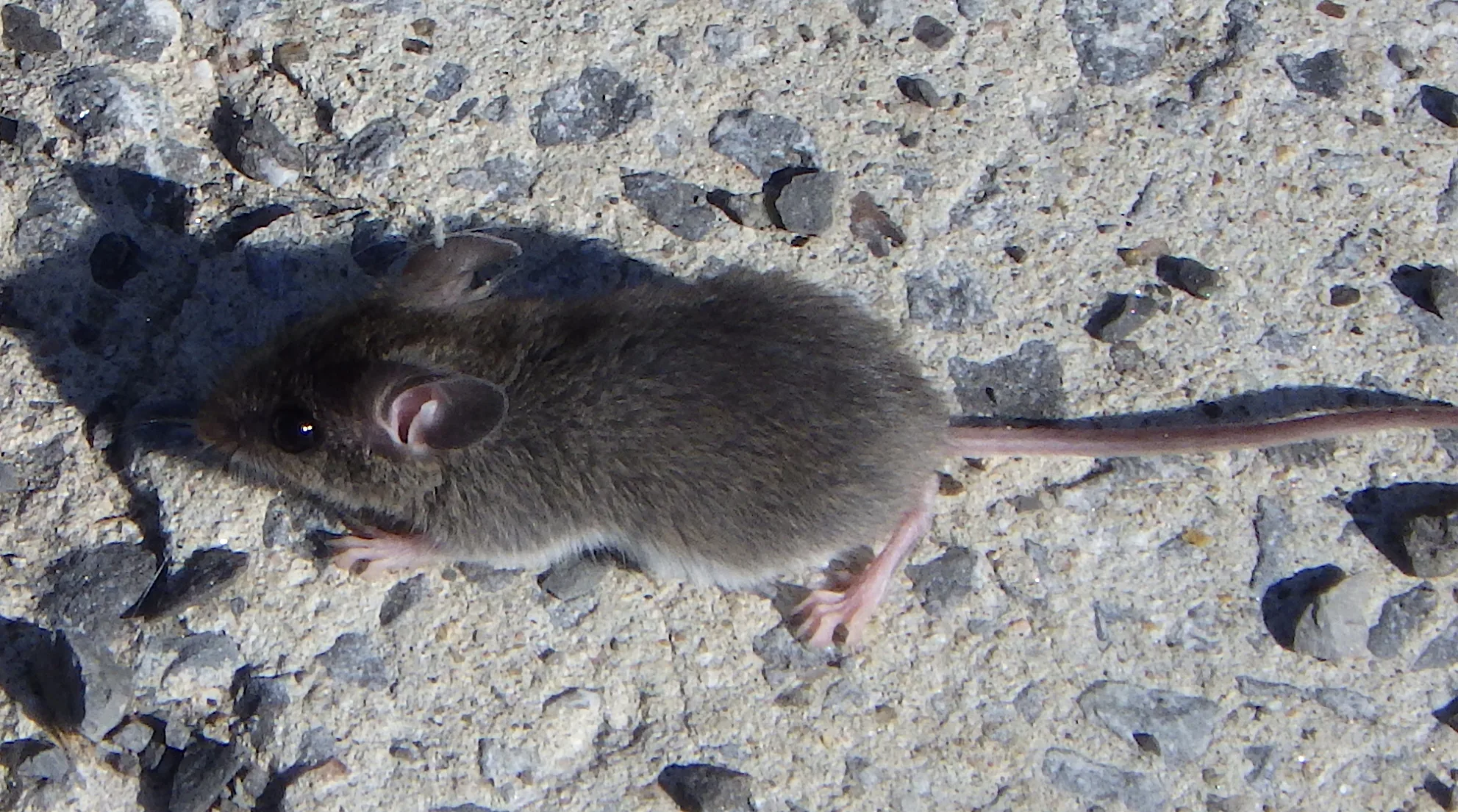
Restaurant Rodent Rules and Inspections in Killeen
Killeen restaurants are inspected by the Bell County Public Health District under the Texas Food Establishment Rules, which adopt the 2017 FDA Food Code. A rodent infestation is among the most serious findings and can close a kitchen.
Call a local technician (254) 276-0111For a restaurant, a rodent problem is a health inspection problem. In Killeen, food establishments are permitted and inspected by the Bell County Public Health District, and their scores appear in local TV and radio roundups. A single inspection that finds droppings on a prep line can mean lost points, a reinspection or a temporary closure.
This guide explains which rules apply, what the Food Code says about pests, how inspections are scored, and what managers can do to stay ready. It is general information for business owners, not legal advice.
Who inspects Killeen restaurants
The Bell County Public Health District handles retail food permits and inspections in its jurisdiction. Its new retail food establishment packet tells applicants that a retail food establishment in the area it regulates must have a valid permit before operating, and that applicants must acknowledge Chapter 437 of the Texas Health and Safety Code and the Texas Food Establishment Rules. The Texas Department of State Health Services covers areas that are not permitted and inspected by a local health agency.
Local coverage of inspection results names the Bell County health department for Killeen restaurants. Copperas Cove sits mostly in Coryell County, so businesses there should check with the city about which agency inspects them. If you want to report a restaurant, see how to report rats in Killeen.
The rules: Texas Food Establishment Rules
Texas food establishments follow the Texas Food Establishment Rules, Chapter 228 of Title 25 of the Texas Administrative Code. The current version took effect August 8, 2021. Section 228.1 adopts the U.S. Food and Drug Administration's 2017 Food Code by reference, so the Food Code's pest sections apply to Texas kitchens.
Two Food Code sections carry most of the weight for rodents, and a good commercial program is built around both. Section 6-501.111, Controlling pests, requires the premises to be controlled to keep insects, rodents and other pests to a minimum, by routinely inspecting incoming shipments and the premises, using traps or other approved methods when pests are found, and eliminating the conditions that let pests hide and breed. Section 6-501.112 requires dead or trapped birds, insects, rodents and other pests to be removed from control devices and the premises often enough to prevent them from accumulating or decomposing, or attracting more pests.
How violations are weighed
The Food Code sorts violations into three tiers. A KWTX explainer on Central Texas inspections described them through the Texas Department of State Health Services: priority items are the most serious and can lead directly to illness, priority foundation items support those, and a third tier covers general sanitation and upkeep. The same report said a rodent infestation is a priority-level violation that could close a business temporarily, and that a reinspection follows within about a week depending on the problem.
Inspectors in that report said a high score does not always mean a pass. A restaurant scoring in the 90s can still be closed if it has an imminent health hazard. They also said they use judgment to tell an isolated slip from a pattern.
Section 228.244 of the Texas rules lists what a regulatory authority considers when deciding how often to inspect an establishment, including past priority and priority foundation violations, repeated or frequent violations in that third tier, valid past complaints, the hazards of the food served, the type of operation, the number of people served and whether the population is highly susceptible. A kitchen that keeps getting written up tends to get inspected more.
Food trucks and temporary events
Killeen has food trucks, church festivals and events downtown. Section 228.222(k) of the Texas rules covers temporary food establishments: outer openings must be protected against insects and rodents with 16-mesh screens, properly designed and installed air curtains, or other effective means. The screening requirement does not apply if flying insects and other pests are absent because of the location or other limiting conditions. Keep supplies in sealed bins, food off the ground and trash bagged and closed at the end of each day.
What inspectors notice first
- Droppings in dry storage, under shelving and behind equipment
- Gnawed bags of flour, rice, sugar or tortillas
- Gaps under back doors, around pipes and conduit, and behind walk-in coolers
- Food stored on the floor or tight against walls where you cannot see behind it
- Dead rodents in traps that have not been cleared
- A dirty dumpster pad or grease bin area with open lids
A pest control service log and station map help show you are keeping pests to a minimum. They are not a substitute for a clean, sealed kitchen.
Staying ready
Most restaurants run monthly pest service with traps inside and stations outside. During an active problem, weekly visits may be needed. Seal gaps at doors and wall penetrations, store food six inches off the floor and away from walls, clean under equipment every night, and keep the dumpster area closed and washed. Train staff to tell the manager the same day they see droppings.
In strip centers along the expressway, Stan Schlueter Loop and WS Young Drive, neighbors share walls and dumpsters. Talk to the property manager about building-wide service if the problem keeps returning. Our restaurant rodent control page covers what a program should include, and commercial rodent control covers shared buildings.
If an inspector finds droppings
Fix the cause the same day: clean and sanitize the area, throw out any food that was contaminated, call your pest provider for a service visit and seal any gap you can find. Write down what you did and when. Keep the provider's service report. That record helps at the reinspection and shows the problem was handled rather than hidden.
Checking a restaurant's record
The Bell County Public Health District has published restaurant inspection results on its website, and local outlets like KWTX run regular restaurant report cards using county data. KWTX notes that it does not assign the scores, and questions about them should go to the county health departments.
Common questions
- Who inspects restaurants in Killeen?
- The Bell County Public Health District permits and inspects retail food establishments in its jurisdiction, including Killeen.
- What food code applies in Texas?
- The Texas Food Establishment Rules, 25 TAC Chapter 228, which adopt the 2017 FDA Food Code by reference. The current version took effect August 8, 2021.
- Can rodents close a restaurant?
- Yes. A rodent infestation is a priority-level violation that can lead to a temporary closure until it is corrected and reinspected.
- What do the rules say about dead rodents in traps?
- Food Code section 6-501.112 requires dead or trapped pests to be removed often enough to prevent them from accumulating, decomposing or attracting more pests.
- Do food trucks need screens?
- Texas rules require temporary food establishments to protect outer openings with 16-mesh screens, air curtains or other effective means, unless pests are absent because of location or other conditions.
Related reading
Sources
- Texas Food Establishment Rules, 25 TAC Chapter 228, August 2021 (PDF)
- 25 Tex. Admin. Code 228.1: Adoption of the FDA Food Code
- Bell County Public Health District: New retail food establishment packet (PDF)
- KWTX: Central Texas food safety inspectors explain how they grade restaurants (2024)
- KWTX: Restaurant Report Card for Central Texas, Nov. 30, 2023