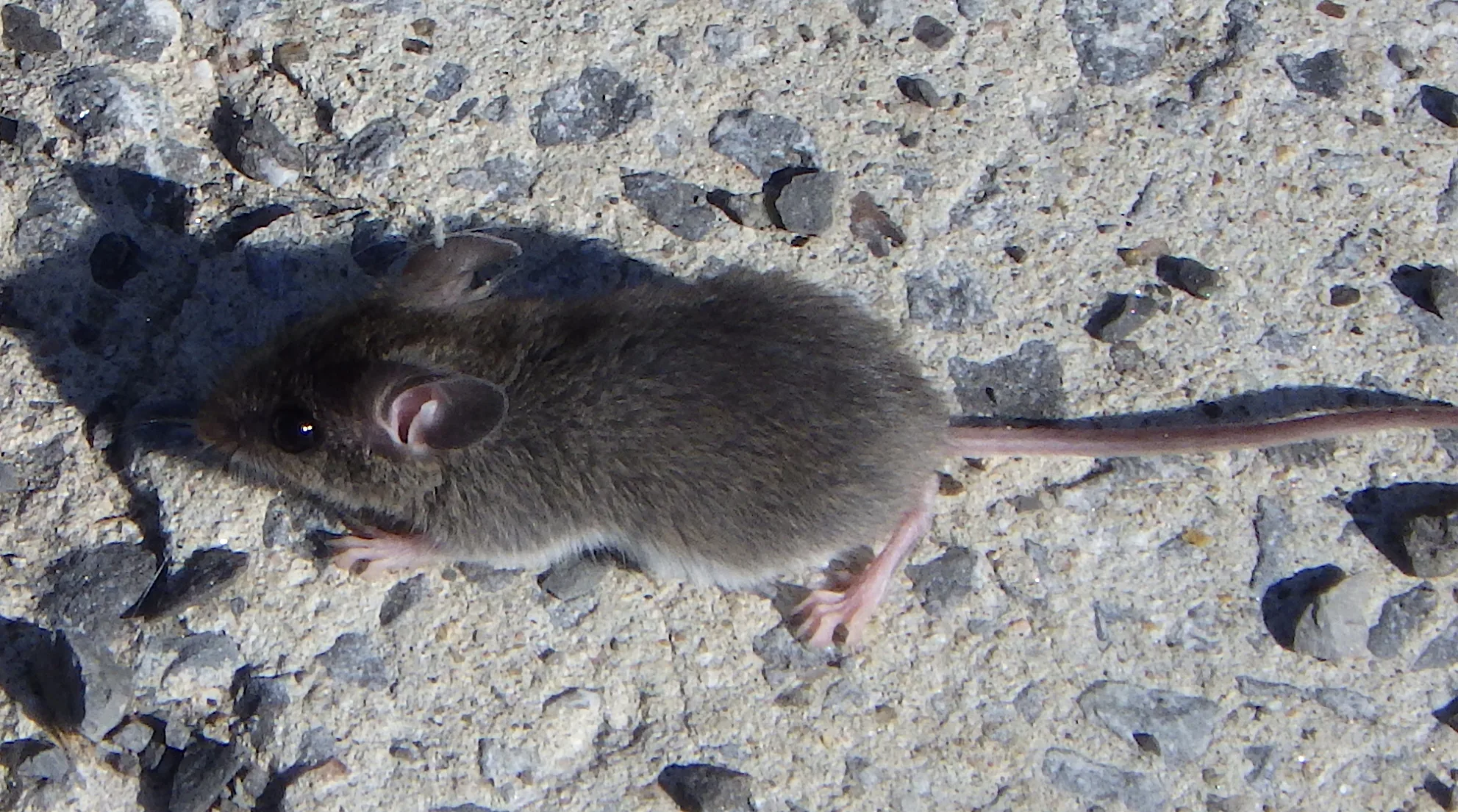
Rodents in a Killeen Rental: Tenant and Landlord Rules
Texas landlords must try to fix conditions that materially affect a tenant's health or safety once properly notified. Servicemembers have separate early-termination rights. This is general information, not legal advice.
Call a local technician (254) 276-0111Killeen is a renter's town. Military families move on orders, students come and go from the colleges, and a lot of homes, duplexes and apartments change tenants every year or two. When mice or rats show up in a rental, both sides want to know who is responsible and what the rules say.
This guide walks through the parts of the Texas Property Code that matter for rodent problems, the special rules for servicemembers, and how on-post housing is different. It is general information, not legal advice. For your own situation, read your lease and talk to a lawyer or a legal aid office.
The landlord's duty to repair in Texas
Section 92.052 of the Texas Property Code says a landlord must make a diligent effort to repair or remedy a condition when three things are true: the tenant gives notice to the person or place where rent is normally paid, the tenant is not behind on rent when the notice is given, and the condition materially affects the physical health or safety of an ordinary tenant.
The statute does not list rodents by name. Whether a particular rodent problem meets the health-or-safety standard depends on the facts: how many, where, how long, and what damage. A mouse in the garage once is different from rats in the kitchen and droppings in the children's room.
There is an exception. Unless the condition comes from normal wear and tear, the landlord does not have to repair a condition caused by the tenant, a lawful occupant, a family member or a guest. If a tenant's housekeeping draws rodents, that matters.
How to give notice
Notice goes to the person or place where you normally pay rent. Under section 92.052(d), it must be in writing only if your lease is in writing and requires written notice. Most leases do. Even when it is not required, written notice with a date is the safest record.
Section 92.056 sets out when a landlord becomes liable for failing to repair. In short, the tenant gives notice, the landlord has a reasonable time to fix it, and if it is not fixed, the tenant gives a second written notice. The second notice is not needed if the first was sent by certified mail with return receipt requested, registered mail, or another trackable mail or delivery service. The law presumes seven days is a reasonable time to make a repair, but that presumption can be rebutted depending on the date the landlord got the notice, how serious the condition is, and whether materials and labor are available.
- Describe what you have seen: droppings, gnaw marks, live rodents, noises, damage
- Say where in the home and since when
- Ask for the problem to be fixed and for entry points to be sealed
- Date it, keep a copy, and attach photos if you have them
Tenant remedies, briefly
If a landlord is liable under section 92.056, the statute lets a tenant end the lease, have the condition repaired and deduct the cost from rent under section 92.0561, or seek remedies in court under section 92.0563. Each of those has its own conditions and limits. A tenant who ends the lease is entitled to a prorated refund of rent and to the security deposit as the law allows, but cannot also use the repair-and-deduct remedy. Texas leases must include underlined or bold language telling tenants about these remedies.
Do not stop paying rent as a protest. The duty to repair depends on the tenant being current on rent when notice is given. Read the statutes linked below or get legal advice before using any of these remedies.
Servicemembers and early lease termination
Section 92.017 lets a tenant who is a servicemember, or the dependent of one, end a lease early in two situations: the lease was signed by or for someone who then enters military service, or a servicemember already in service signs the lease and later receives orders for a permanent change of station or to deploy with a unit for 90 days or more.
The tenant must give the landlord written notice of termination plus a copy of the military orders or other government document. For a lease with monthly rent, the termination takes effect on the 30th day after the first date the next rent payment is due after notice is delivered. A tenant who terminates this way is released from delinquent unpaid rent owed on the termination date unless the lease contains language close to the statute's required notice that tenants may have special rights to end the lease early.
This is a lease rule, not a pest rule. It matters here because families who are about to move on orders sometimes put up with a rodent problem rather than start a dispute. You can do both: report the problem in writing now, and use your PCS rights when the orders come.
What landlords should do
A prompt, documented response protects everyone. When a tenant reports rodents, schedule an inspection of the unit, and for duplexes and apartment buildings, the units next to it and any shared attic or crawl space. Have entry points sealed, not just traps set. Keep the provider's written report.
Units that sit empty between tenants are where many Killeen rodent problems start. A walk-through before move-in, with traps checked and gaps sealed, is cheaper than a dispute later. Our rental and apartment rodent control page covers whole-building plans.
On-post family housing is different
If you live in family housing on Fort Hood, your housing is run by Cavalry Family Housing, a privatized operator. Its integrated pest management FAQ says residents cannot contract with outside pest vendors directly, should report rodent activity and have maintenance fix entry points, and should submit a service request through the Maintenance Solution Center or resident app if problems continue. Keep work order numbers and photos. The process above is for off-post rentals under Texas law.
Where to get help
The City of Killeen Code Enforcement page lists outside resources for renters, including the Apartment Association of Central Texas and the Texas Real Estate Commission. If conditions on a property violate the city's nuisance rules, like trash piling up or a dangerous building, Code Enforcement can act on those. See how to report rats in Killeen. Servicemembers can also ask the legal assistance office on post about lease questions.
Common questions
- Does a Texas landlord have to get rid of mice?
- Texas law requires a landlord to make a diligent effort to fix conditions that materially affect an ordinary tenant's health or safety after proper notice, if the tenant is current on rent. Whether a specific rodent problem meets that standard depends on the facts. This is general information, not legal advice.
- How long does a landlord have to fix it?
- Texas law presumes seven days is reasonable, but that can be rebutted based on when notice was received, how serious the problem is, and whether materials and labor are available.
- Can I break my lease because of rats?
- Section 92.056 allows termination in some cases where the landlord is liable for failing to repair after proper notice. The rules are specific. Read the statute or get legal advice first.
- I got PCS orders. Can I end my lease?
- Section 92.017 lets a servicemember end a lease after receiving permanent change of station orders, with written notice and a copy of the orders. For monthly leases, termination takes effect 30 days after the next rent due date following notice.
- Who pays for pest control in my rental?
- Read your lease first. Many Texas leases assign pest control duties. If the rodents result from something the tenant did, the landlord may not have to repair it under section 92.052(b).
Related reading
Sources
- Texas Property Code 92.052: Landlord's duty to repair or remedy
- Texas Property Code 92.056: Landlord liability and tenant remedies
- Texas Property Code 92.017: Lease termination for servicemembers and others
- Cavalry Family Housing: Integrated Pest Management Program FAQs (PDF)
- City of Killeen: Code Enforcement