Mouse Control in Killeen, TX
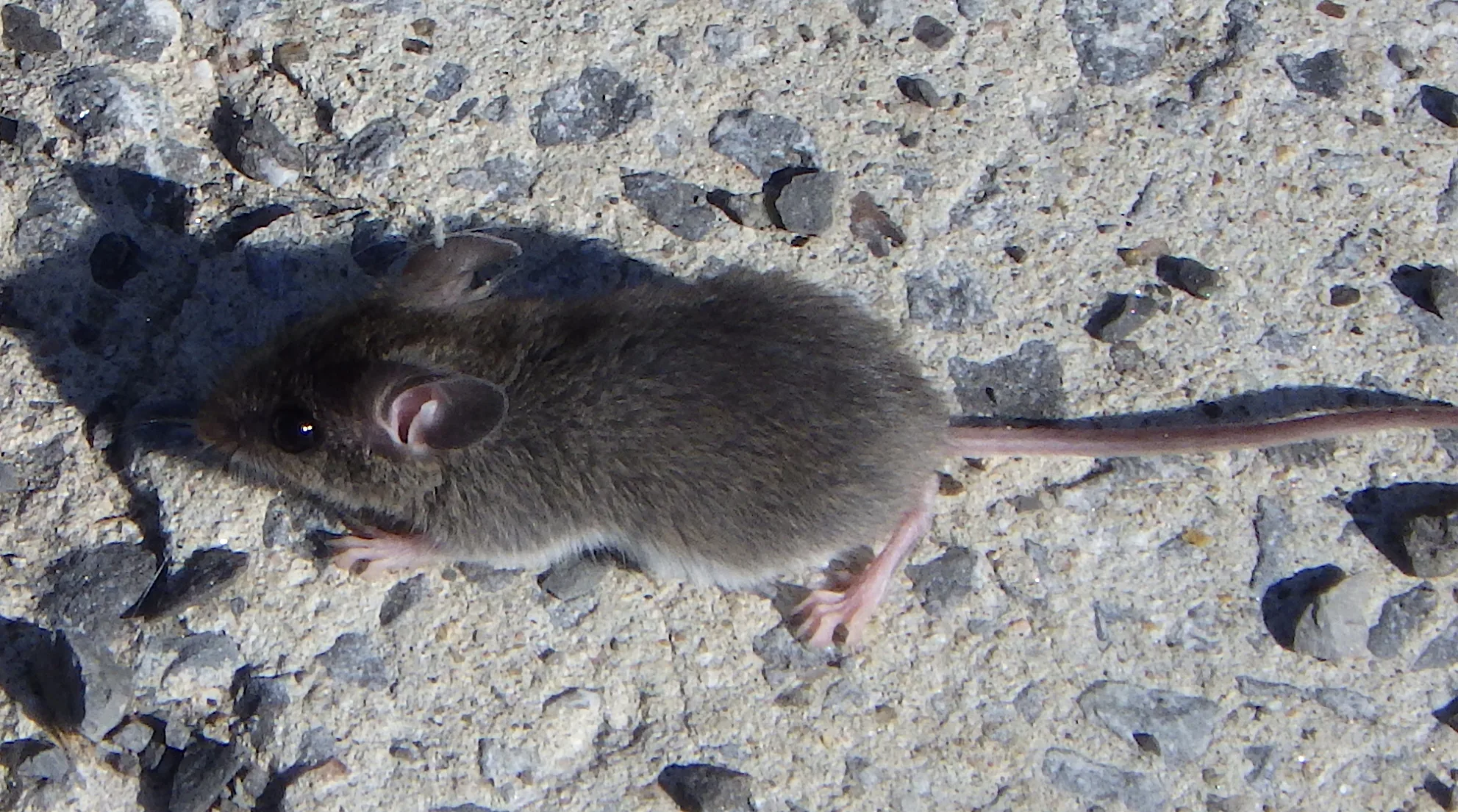
House mice in kitchens and walls, and field mice that move in from open land when the weather or the bulldozers push them.
Call about mouse control (254) 276-0111Mice are the most common rodent call in Killeen homes. A house mouse can get through a gap the size of a dime, and once a pair is inside, the numbers climb quickly. Texas A&M AgriLife material notes that a single mouse leaves 50 to 75 droppings a day, which is why a small problem starts to look large fast.
There is a second group too. Homes near fields and new construction get native field mice and other small rodents that wander in from open land. Here is what a full mouse job looks like and why it matters which kind you have.
Signs of mice
- Droppings about an eighth to a quarter inch long with pointed ends, in drawers, under the sink, behind the stove or along baseboards
- Light scratching or scurrying in walls and ceilings, usually at night
- Chewed corners on cereal boxes, rice bags, pet food bags and paper goods
- Shredded paper, fabric or insulation in a quiet corner, which is a nest
- A musky smell in a closed cabinet
See rat droppings vs mouse droppings if you are not sure which you have.
What a thorough mouse job includes
- An inspection of the kitchen, laundry, garage, attic and the outside of the house
- Plenty of mouse-size snap traps in the places mice travel: behind appliances, in the back of cabinets, along walls
- Covered trap stations where pets or kids could reach a trap
- Sealing every gap a mouse can use, which means gaps as small as a quarter inch
- Checks and resets until the traps stay empty
- Cleanup of droppings and nesting material using the CDC method
How mouse control works, step by step
- Find where they are and how they are getting in. Mice often use the gap where plumbing enters under the kitchen sink or the space behind the dishwasher.
- Trap heavily for the first week. Mice are curious and usually take traps quickly.
- Close the entry points with steel wool or copper mesh and sealant, and metal or cement for anything larger.
- Keep trapping until no mice are caught for a week and no new droppings appear, which is the CDC's standard for a cleared home.
- Clean up droppings and nesting material.
Why mice are harder to keep out in Killeen
Killeen keeps expanding into pasture. South Killeen subdivisions along Chaparral Road, Featherline Road and the Turnbo Ranch development are being built on land that held field rodents a season ago. When the ground is cleared, those animals look for cover, and new homes with unfinished landscaping and open construction gaps are the nearest option. The first year in a new house is a common time for a mouse call.
Weather pushes them too. A cold front in late fall sends mice looking for warmth, and heavy spring rain floods burrows. Both send mice into garages and kitchens across the area.
Older homes have the opposite problem. Pier-and-beam houses north of the expressway have gaps under the floor that mice use for decades. Each new tenant traps a few, moves out, and the next one inherits the same gaps.
House mice vs field mice
House mice live alongside people and rarely leave once inside. Native field mice, like deer mice and white-footed mice, usually come in from fields and outbuildings. The difference matters for health: the CDC says the deer mouse spreads the hantavirus that most often causes hantavirus pulmonary syndrome in the United States. If you find mice in a shed, barn or a house next to open land, be careful cleaning up. Ventilate first, wear gloves, wet the droppings with disinfectant, and do not sweep or vacuum. Our droppings cleanup service covers when to hand that job to a professional.
Mouse control questions
- How did mice get into my new house?
- New homes often have small gaps around utility lines, garage doors that are not yet adjusted and weep holes in brick. If the land around you was recently cleared, mice from the field had nowhere else to go.
- Do mice leave on their own when it warms up?
- House mice usually do not. Once they find food and shelter inside, they stay and breed. Field mice may move back outdoors, but they leave droppings and nests behind.
- Are ultrasonic devices or peppermint oil worth trying?
- The evidence for them is weak. See our article on whether rodent repellents work. Traps and sealing do the actual work.
- How many mice do I have if I see one?
- There is no reliable rule. Seeing one in daylight, or finding droppings in several rooms, usually means more than a single mouse. A trap count over the first few nights gives a better answer.
- Can mice get into my car or HVAC?
- Yes. Mice nest in air filters, engine compartments and the insulation around ductwork. See garage and car rodent control.
- How much does mouse control cost?
- National cost guides put mouse extermination around $150 to $550 for most homes, more if sealing and cleanup are extensive. See the Killeen cost guide.