Steel Wool vs Copper Mesh for Sealing Rodent Holes
Both stop mice when packed tight and held in with sealant. Steel wool is cheap but rusts outdoors. Copper mesh costs more and holds up in weather. Big holes need hardware cloth, metal or cement.
Call a local technician (254) 276-0111Closing small gaps is the cheapest rodent control there is, and the two go-to materials are steel wool and copper mesh. Both work when used right. Here is how they compare, how small a gap matters, and when you need something sturdier.
How small a gap matters
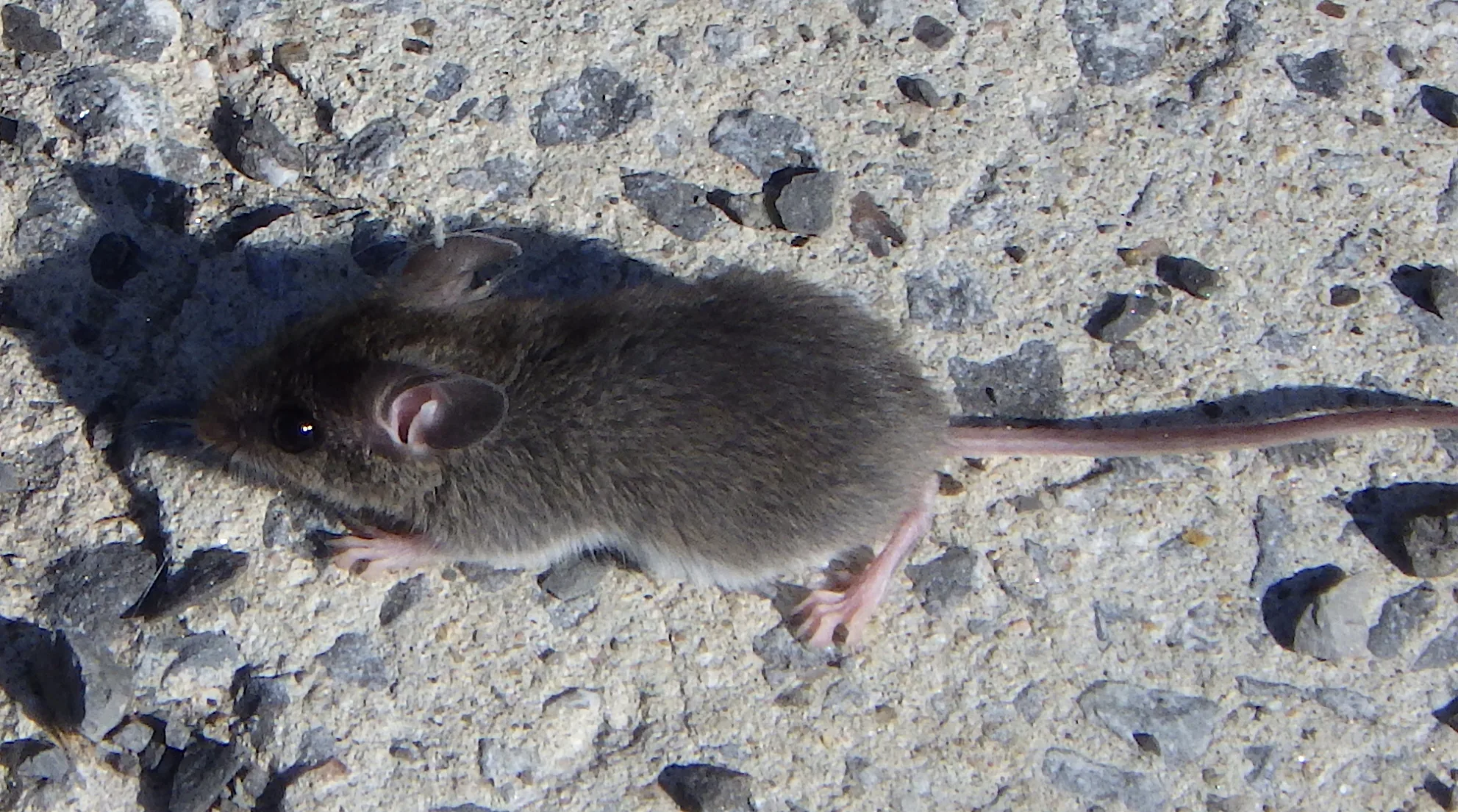
Texas A&M AgriLife training material puts the threshold for a mouse at a hole the size of a dime or a quarter-inch crack under a door. For rats it is a hole about the size of a quarter or a half-inch crack. In practical terms, if you can slide a pencil into a gap, a mouse can probably use it.
Common gaps in Killeen homes: where pipes enter under kitchen and bathroom sinks, the garage door, behind the dishwasher, where the AC line set enters the wall, around cable and gas lines, at the corners of garage doors, and weep holes in brick.
Steel wool
The CDC recommends filling small holes with steel wool and putting caulk around it to keep it in place, or using spray foam to hold it. Steel wool is cheap, easy to find and easy to pack. Mice cannot chew through it well.
Its weakness is rust. Outdoors or anywhere damp, like under a sink with a slow leak or near an AC condensate line, it rusts and breaks down, and it can leave rust stains on brick or siding. Indoors and dry, it lasts a long time.
Copper mesh
Copper mesh is a knitted copper fabric sold in rolls for pest exclusion. It does not rust, holds its shape and is easy to cut and stuff into a gap. It costs more than steel wool, but it is the better choice for exterior gaps and damp spots.
Stainless steel mesh is a third option with similar benefits. Either one is a good fix for the gaps that let mice into the walls.
Pair it with a sealant
Neither material should be left loose. Mice can pull loose fibers out. Pack the mesh or wool tightly into the gap, leave it slightly recessed, and seal over it with caulk, mortar patch or foam. The fill stops the chewing; the sealant holds the fill in place.
Foam alone is not enough. Rodents chew through foam easily. Foam over steel wool or copper mesh is fine.
When you need something sturdier
For holes larger than about an inch, the CDC recommends lath screen or metal, cement, hardware cloth or metal sheeting. Typical uses:
- Hardware cloth (quarter-inch mesh) over foundation and gable vents
- Sheet metal or flashing over chewed soffit or fascia gaps
- Cement or mortar for gaps in brick and foundation cracks
- Door sweeps and garage door bottom seals for gaps under doors
- Weep hole covers made for brick, which let water out and keep mice out
Do not seal weep holes with mortar or caulk; they drain moisture from the wall.
A weekend sealing checklist
If you want to close the easy gaps yourself, start with these:
- Under the kitchen sink: the gap where pipes go through the cabinet floor and wall
- Behind the dishwasher and refrigerator, where water and power lines enter
- The laundry hookups and dryer vent
- The water heater closet, around the gas line and flue
- Outside: AC line set, cable and phone lines, hose bibs and gas meter entry
- The garage: the door from the garage to the house and the corners of the overhead door
Pack each gap tight with mesh or wool, then seal over it. Leave active entries for after trapping, and leave weep holes and vents open but covered.
Tools for the job
A flashlight, gloves, a putty knife or flat screwdriver for packing mesh into gaps, a caulk gun with exterior sealant, and tin snips if you are cutting hardware cloth. Wear gloves when handling steel wool; the fibers splinter. Work on the outside of the house in the morning in summer, when brick and siding are not too hot to touch, and keep sealant out of weep holes and vent openings.
Timing
Seal gaps that are not being used right away. For gaps with fresh droppings or rub marks around them, keep trapping until activity stops, then seal. Sealing an active gap while rodents are inside can trap them in a wall. For a full sealing job, see rodent exclusion.
Common questions
- Can mice chew through steel wool?
- Not well. Packed tight and sealed over, steel wool stops mice. The bigger risk is rust when used outdoors.
- Is copper mesh worth the cost?
- For exterior and damp gaps, yes. It does not rust and lasts longer than steel wool outside.
- Can I just use expanding foam?
- Not by itself. Rodents chew through foam. Use it over steel wool or copper mesh.
- How do I seal a gap around an AC line?
- Pack copper mesh around the line set where it enters the wall, then seal over it with exterior caulk or foam. Do not crush or kink the lines.