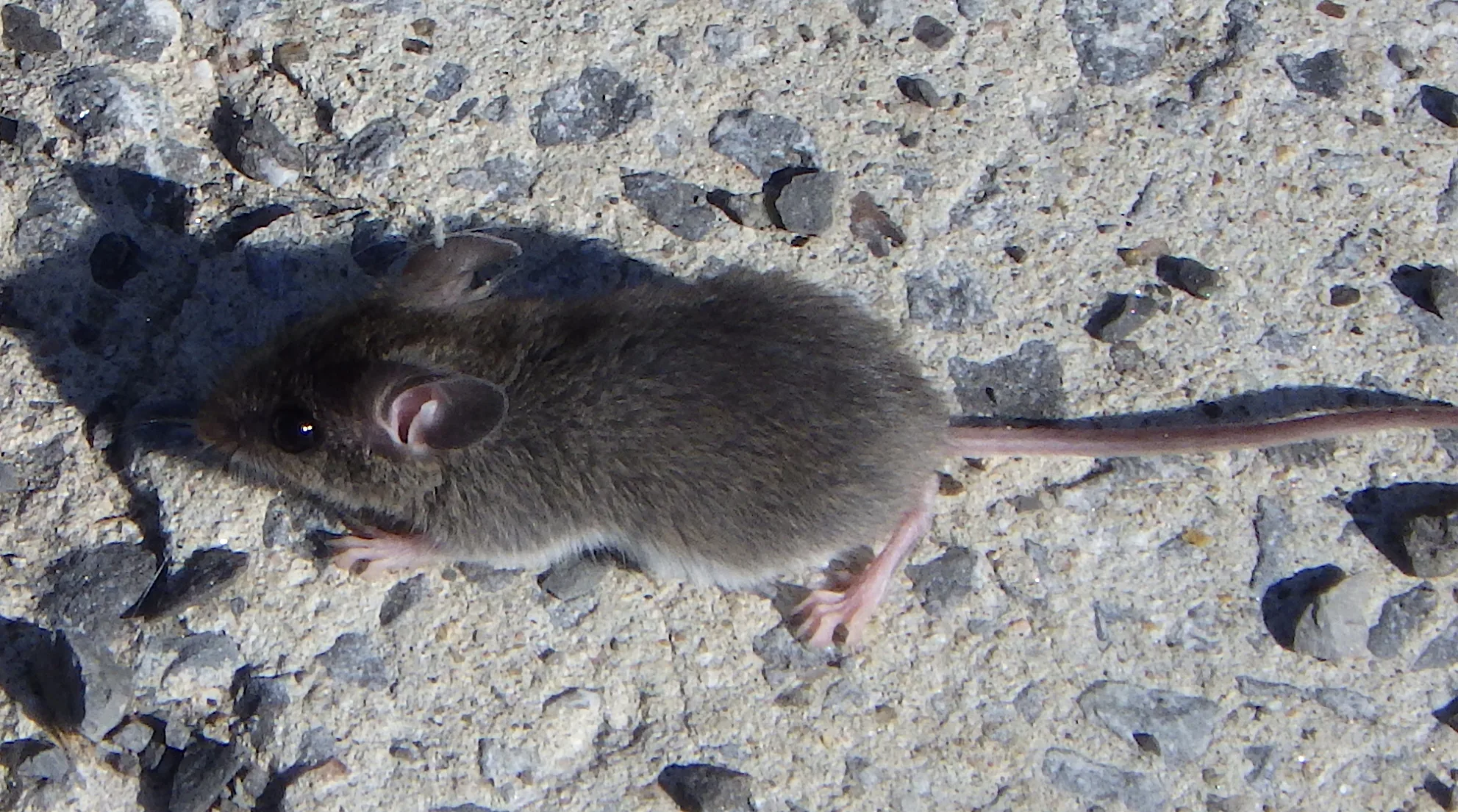
Do Rodent Repellents Work?
Repellents do not close a single gap or remove a single rodent. The CDC's approach rests on sealing, trapping and cleaning up. Treat repellents as an extra at most.
Call a local technician (254) 276-0111Ultrasonic plug-ins, peppermint oil, mothballs, dryer sheets and repellent sprays all promise to make rats and mice leave without traps or poison. It is easy to see the appeal. The trouble is that none of them closes the hole the mouse came in through or removes the mice already nesting in the house.
Here is a plain look at the common repellents and what to do instead.
What the CDC recommends
The CDC's rodent control guidance for homes rests on three steps: seal up holes inside and outside the home, trap up the rodents that are inside, and clean up rodent food sources and nesting sites. Its guidance on those steps does not recommend repellents. That is a useful baseline when deciding where to spend money.
Ultrasonic devices
Plug-in devices that emit high-pitched sound are sold as a way to scare off rodents and insects. Rodents may react to a new sound at first, but sound does not travel through walls, furniture or insulation well, and it does nothing to food or entry points. Mice nesting behind a refrigerator or inside a wall will not be bothered much by a device in the hallway.
If you already own one, it will not hurt to leave it plugged in. Just do not count on it.
Peppermint oil, mothballs and dryer sheets
Strong smells may make a spot less attractive for a while, but the smell fades in days, and a mouse that has food on the other side of a cabinet will walk past it. Mothballs are a pesticide with label directions for use in closed containers against clothes moths; using them loose in an attic or garage is off label and exposes people and pets to the fumes. Dryer sheets do nothing measurable.
Repellent sprays for cars and garages
Sprays sold for engine bays and garages have the same limit: they do not fix the garage door gap or the bag of dog food that drew the rodents in the first place. If rodents keep coming back to your car, the source is almost always the garage or yard. See rodents in car engines.
What actually works
- Seal gaps: steel wool or copper mesh with sealant for small holes; hardware cloth, sheet metal or cement for larger ones, as the CDC lists
- Trap the rodents inside with snap traps placed against the walls
- Remove food: hard containers in the pantry, pet food picked up at night, trash lids closed
- Remove water: fix drips, leaky AC condensate lines and hose bibs
- Remove cover: woodpiles off the ground, shrubs trimmed back from walls, limbs off the roof
In Killeen, homes next to open land or new construction get steady rodent pressure from outside. For those homes, sealing is the step that makes the biggest difference. See rodent exclusion.
Why repellents appeal, and the catch
Repellents promise a fix without touching a dead mouse, and that is a fair thing to want. But a rodent that has found food and a nest inside your house has a strong reason to stay. A smell or a sound may move it a few feet. Meanwhile, the gap it came in through stays open for the next one. If you do not want to handle traps, a technician can set and check them for you, or you can use enclosed electronic traps that keep the rodent out of sight.
A better use of the money
The cost of a repellent device or a few bottles of spray will buy a pack of snap traps, a roll of copper mesh, a tube of sealant and a door sweep for the garage entry door. That kit, used well, does more than any repellent. If the problem is bigger than a weekend fix, put the money toward an inspection that finds every gap.
When to get help
If you have tried repellents and still hear scratching or find droppings, the rodents are settled in. A local technician can find where they get in and set up trapping. Ask for a written plan that includes sealing.
Common questions
- Does peppermint oil keep mice away?
- Any effect fades as the smell fades, and it does nothing about entry points or food. Sealing and trapping work better.
- Do ultrasonic pest repellers work on rats?
- Sound does not travel well through walls and insulation, and rodents with food and shelter tend to stay. Do not rely on them.
- Can I use mothballs in the attic?
- Mothballs are a pesticide labeled for closed containers. Using them loose in an attic or garage is against the label and exposes people and pets to fumes.
- What is the best way to keep mice out for good?
- Seal every gap a mouse can use, keep food in hard containers and keep checking with a few snap traps in the garage and kitchen.