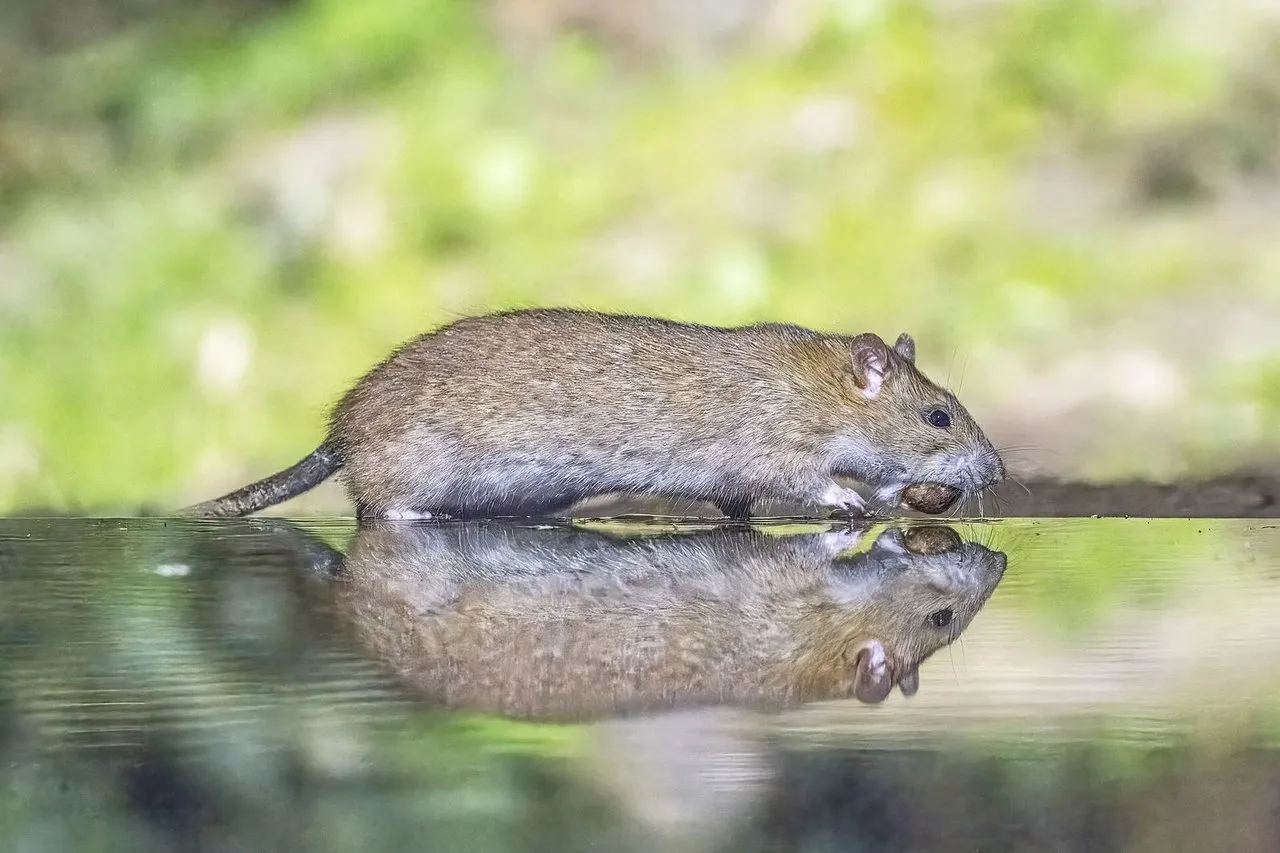
Rats and Mice in Car Engines
Rodents nest in warm, sheltered engine bays and chew wiring and air filters, especially in cars that sit. Fix the garage, not just the car: remove food, seal gaps and trap along the walls.
Call a local technician (254) 276-0111A check-engine light, a car that will not start or a musty smell from the vents can all trace back to rodents under the hood. Mice and rats like the warm, sheltered space around the engine, and they gnaw wiring the way they gnaw everything else. In Killeen, cars that sit for weeks during training or deployment are the usual victims.
Signs of rodents in a car
- Nesting material, leaves, insulation or stored food on top of the engine or battery
- Chewed wires, hoses or the foam under the hood
- A chewed or nest-filled cabin air filter, often noticed as a musty smell when the fan runs
- Droppings on the engine cover or in the glove box area
- Warning lights after the car has been parked a while
Why it happens
Rodents gnaw constantly to keep their teeth worn down. An engine bay stays warm after the car is parked, sheltered from weather and predators, and full of things to chew. A car that does not move for days or weeks gives them time to build a nest.
The car is usually not the source. Rodents living in the garage, a shed or the yard visit the car at night. That is why protecting the car means fixing the garage.
Protecting a parked car
- Keep pet food, bird seed and grass seed out of the garage or in sealed metal containers.
- Store boxes in plastic bins with lids, not cardboard, and keep them off the walls.
- Check the bottom seal of the garage door. If light shows under it, mice can get in.
- Set snap traps along the garage walls, in covered stations if pets use the garage.
- If a car will sit for a long time, open the hood and check it now and then, and start and move it when you can.
Repellent sprays and plug-in devices are popular, but sealing the garage and removing food do the real work. See do rodent repellents work?
Before a deployment or long trip
Clean the car out completely, with no food wrappers or crumbs. Park it in a clean garage if you can. Ask a neighbor or friend to start it and check under the hood occasionally. If you are storing it in a long-term lot, ask how they handle rodents. The PCS move-in checklist has more on moves.
Signs before the damage
Most owners find out after a warning light. A few minutes a week can catch it earlier. Look for droppings on top of the engine cover and around the battery, nesting material tucked into corners of the engine bay, and pet food or acorns stashed near the air box. Check under the car for droppings on the garage floor near the front wheels. In a car that sits, open the cabin air filter housing every month or two; a filter full of shredded material is a nest.
Garage habits that matter most
Three things decide whether rodents use the garage: food, cover and a way in. Food is pet food, bird seed, grass seed and trash. Cover is cardboard boxes, stacked clutter along the walls and items on the floor. The way in is a gap under the garage door, a side door that does not seal, or holes where pipes and wires pass through the wall. Fix all three and the car stops being a target. If you want help with the garage itself, see garage and car rodent control.
Cars parked outside
Cars parked in a driveway or on the street next to brush, a woodpile or an empty lot get visits too. Move the car away from the brush line if you can, and keep the area under it clear.
After damage
Have a mechanic inspect and repair chewed wiring. Ask for a written estimate and photos for your insurer; comprehensive coverage often includes animal damage, but policies differ. Clean nests and droppings with gloves, using a disinfectant spray and paper towels. Don't sweep or vacuum them. Replace the cabin air filter. Then deal with the garage so it does not happen again; see garage and car rodent control.
Common questions
- Does insurance cover rodent damage to my car?
- Comprehensive coverage often includes animal damage, but check your policy and get a written estimate from the repair shop.
- Do rats or mice chew car wires?
- Both. Mice are more common in engine bays and air filters; rats cause heavier damage.
- Will leaving the hood up keep rodents out?
- Some people find it makes the engine bay less sheltered, but it does not address rodents living in the garage.
- How do I clean a nest out of my engine?
- Wear gloves, spray the nest with disinfectant, let it soak, and remove it with paper towels into a sealed bag. Do not use compressed air or a vacuum on droppings.