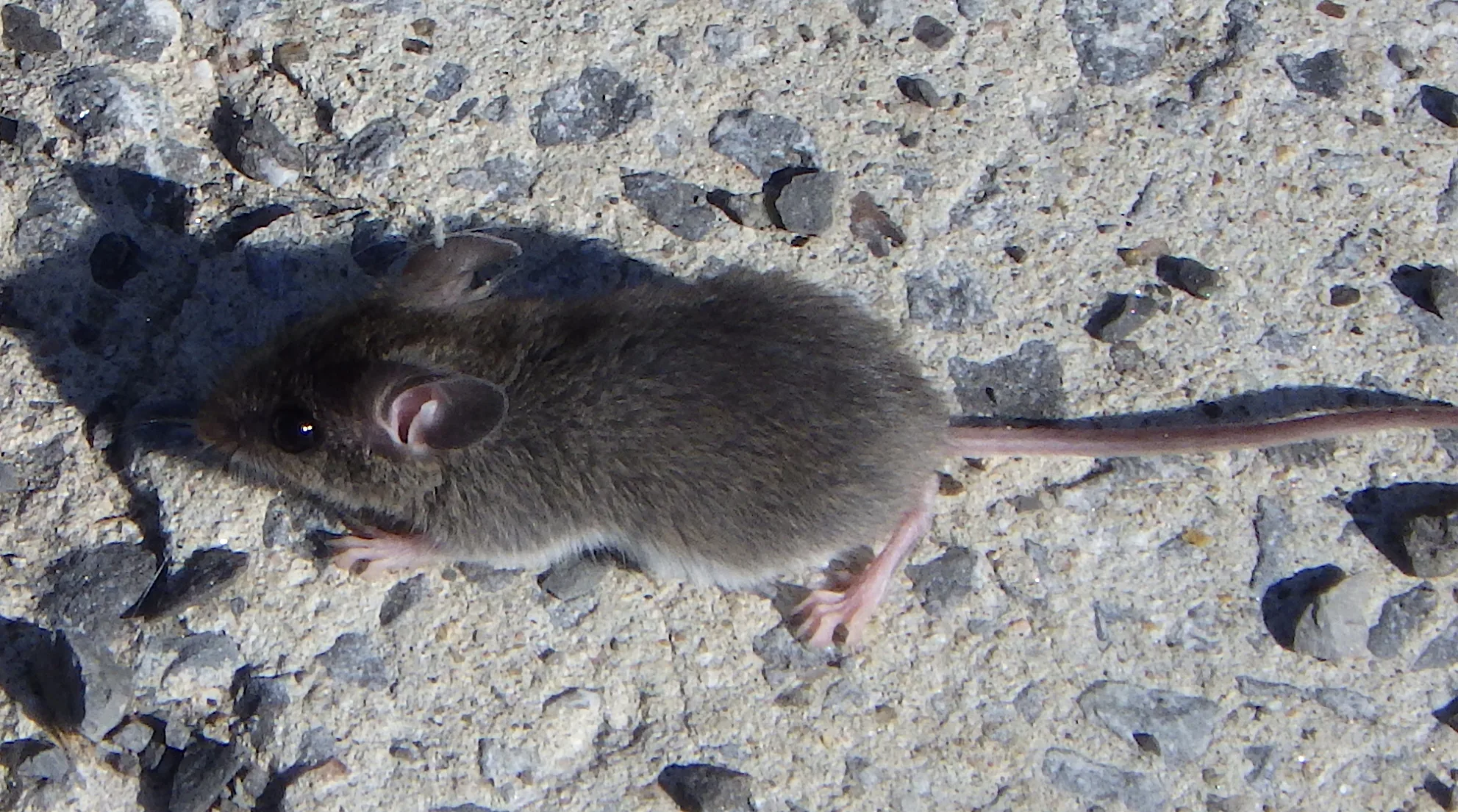
Mice in the Walls: What to Do
Scratching inside a wall at night usually means mice using it as a hallway between where they nest and where they eat. Trap and seal the ends of that hallway; leave the drywall alone.
Call a local technician (254) 276-0111The sound is hard to miss once you notice it: light scratching and quick scurrying inside a wall, usually late at night or just before dawn. Mice use wall cavities to travel between where they nest, often the attic, the garage wall or under a tub, and where they eat, usually the kitchen. The fix is at the ends of the wall, not inside it.
Signs it is mice
- Light scratching or skittering, mostly at night
- Droppings where the wall meets the floor or under sinks
- Chewed food packages in nearby cabinets
- A musky smell in one spot
- A cat or dog fixated on one stretch of wall
Louder thumping suggests a rat. Daytime noise in spring can be birds or squirrels. Our rodent noises at night article can help sort it out.
How mice get into Killeen walls
Most Killeen homes are slab-on-grade with brick or stone veneer. The air space between the veneer and the framed wall gives mice a protected path. They get in through weep holes along the bottom row of brick, gaps where the AC line set or cable enters, and the joint where siding meets the foundation. From there they climb to the attic or come out wherever a pipe or wire hole lets them into the house.
In older pier-and-beam houses, the bottom of every interior wall can be open to the crawl space. Mice walk under the house and up into any wall.
Texas A&M AgriLife training material says a mouse can enter through a hole the size of a dime or a quarter-inch crack under a door.
What to do
- Write down which wall and what time you hear them.
- Set snap traps where the wall opens: under the kitchen and bathroom sinks, behind the refrigerator and stove, in the attic along the top of that wall. Put the baited end against the wall, as the CDC recommends. The best traps article covers trap types.
- Pack gaps around pipes under sinks and behind appliances with steel wool or copper mesh, held with sealant.
- Find and close the outside entry. Weep holes need covers made for brick, not mortar, so water can still drain.
- Keep checking traps until they stay empty for a week.
Why not poison or cut holes?
Poison in a wall or attic often leads to mice dying in the wall, and you cannot reach them. The smell can last weeks. Spraying or pouring things into wall cavities has the same problem.
Cutting drywall to chase mice rarely works. They move along the cavity to the next stud bay. The only time to open a wall is to remove a dead mouse that cannot be reached any other way.
Brick veneer and weep holes
Weep holes are the small gaps left in the bottom row of brick on many Killeen homes. They let water that gets behind the brick drain out. They are also the right size for a mouse. The fix is a weep hole cover made for brick: a small insert of plastic or metal mesh that lets water out and keeps rodents out. Do not fill weep holes with mortar or caulk; that traps moisture in the wall.
Check the corners of the house, where brick meets trim, and the spot where the AC line set enters. Those are the other common entries into the wall cavity.
Kitchen habits that help
Mice in the walls are usually commuting to the kitchen. Make the trip less worth it: move cereal, rice, flour and pet food into hard containers with lids, wipe the counters and stovetop at night, take the trash out before bed, and do not leave dishes in the sink overnight. Check under the sink for drips. A kitchen with no crumbs and no water makes traps more attractive by comparison. Keep the pet food bowl off the floor overnight, too; it is often the easiest meal in the house.
When to call
If the noise keeps going after two weeks of trapping, or you cannot find how they get in, a technician can check the attic, the exterior and the plumbing chases. See mice in walls removal. Same-day appointments are often available.
Common questions
- Will mice in the walls die on their own?
- Not usually. They move in and out to eat. If one dies in the wall, the smell will tell you. See dead rodent smell.
- Do I need to open the wall?
- Almost never. Trapping and sealing where mice enter and leave the wall works without cutting drywall.
- How do I keep them from coming back?
- Seal the outside entries and the gaps around pipes and wires inside, and keep food in hard containers.
- Are mice in walls a fire risk?
- Mice and rats can gnaw wiring. If you see chewed wires or smell burning, call an electrician.